BSI Gold Installment Customers Jump 123% as Gen Z and Millennials Drive Gold Investment Boom

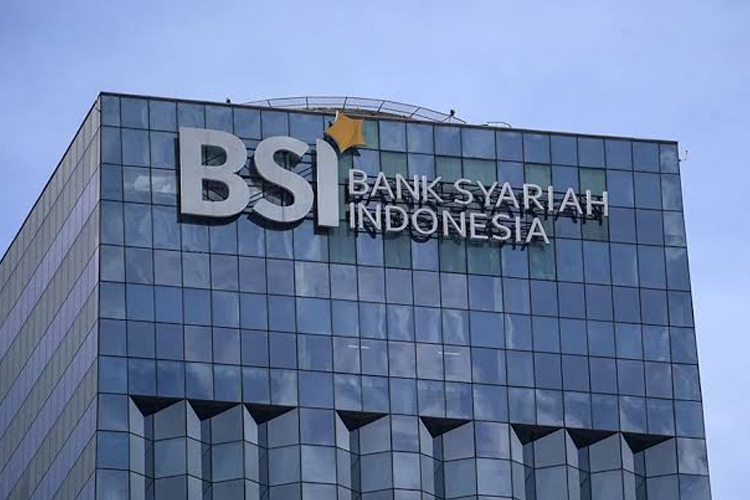
Young Indonesians Drive Gold Investment Boom as BSI Gold Installment Customers Surge 123% in 2026 – Public interest in gold investment continues to rise in Indonesia, especially among younger generations. Gold is increasingly seen as a safe, accessible, and reliable investment instrument suitable for medium- to long-term financial planning.

Recognizing this trend, Bank Syariah Indonesia (BSI) has introduced a range of gold ownership solutions, including gold installment plans, gold pawn services, and digital e-gold savings through the BYOND by BSI app, allowing customers to apply quickly with real-time gold pricing.

Gen Z and Millennials Dominate BSI Gold Installment Customers

Over the past year, young investors have become the primary drivers of BSI’s gold financing growth.

Key Highlights:

  • Gen Z and millennials account for 61.5% of total BSI gold installment customers
  • Gold installment demand surged 123.18% year-on-year (YoY)

This sharp increase reflects growing financial awareness among younger Indonesians regarding safe-haven investments and long-term wealth preservation.

Flexible Gold Installment Program Makes Investing More Accessible

To meet this demand, BSI offers precious metal gold installment programs starting from just 5 grams, with flexible repayment terms ranging from one to five years.

Product Benefits:

  • Starting from 5 grams
  • Flexible tenors: 1–5 years
  • Affordable installment schemes
  • Real-time gold pricing via BYOND by BSI

This low-entry investment model is particularly attractive for young adults who want to start investing but may face limited initial capital.

BSI: Gold Is a Stable Long-Term Investment Instrument

“Gold is a stable and relatively safe investment instrument for the long term. Through this program, we want to provide broad access for young people so they can begin building their investment portfolios early,” said BSI Director of Sales and Distribution, Anton Sukarna.

Beyond Investment: Gold Ownership Also Supports Hajj Planning

BSI emphasized that its gold services are not limited to investment purposes alone.

Additional Financial Uses:

  • Hajj pilgrimage preparation
  • Future savings planning
  • Quick liquidity through gold pawn services
  • Hajj payment settlement assistance

During the Hajj season, gold installments can help customers gradually prepare for pilgrimage costs, while gold pawn services provide fast cash solutions when immediate funding is needed.

Gold Ownership as Long-Term Financial Planning

BSI positions its gold products as part of broader financial planning strategies rather than merely speculative investments.

By leveraging current gold prices, customers can prepare for future financial goals more strategically and systematically.

“We hope to become a strategic partner for the younger generation in achieving financial independence while also encouraging the growth of Islamic financial inclusion in Indonesia,” Anton concluded.

BSI Strengthens Sharia Financial Inclusion Through Gold Products

As gold demand rises among younger demographics, BSI’s strategy aligns with broader trends in:

  • Financial literacy growth
  • Sharia banking adoption
  • Wealth preservation
  • Long-term portfolio diversification

This positions BSI as a major player in Indonesia’s growing Islamic finance ecosystem.

Should You Invest $2,000 in BRIS Now?

AI-powered investing platforms such as ProPicks AI evaluate BRIS alongside thousands of companies each month using more than 100 financial metrics.

Rather than simply tracking popularity, AI systems assess:

  • Financial fundamentals
  • Growth momentum
  • Valuation
  • Risk-reward ratio

Using advanced analysis, these systems identify stocks with attractive upside potential—similar to previous standout performers such as:

  • Super Micro Computer (+185%)
  • AppLovin (+157%)

Is BRIS Currently an AI-Highlighted Investment Opportunity?

With rising gold investment demand, strong youth engagement, and expanding sharia financial products, investors may consider whether BRIS is positioned for stronger growth—or whether other opportunities offer better upside.

Indonesia PMK 27/2026 Strengthens OJK Budget Governance Without Reducing Independence

Indonesia Issues PMK 27/2026 to Strengthen OJK Budget Governance While Preserving Regulatory Independence – Indonesia’s Minister of Finance, Purbaya Yudhi Sadewa, has officially issued Minister of Finance Regulation (PMK) No. 27 of 2026 concerning Budget Management Procedures for the Financial Services Authority (OJK).

This policy aims to reinforce good governance principles and financial transparency in managing state finances within the financial services sector, while ensuring OJK’s institutional independence remains intact.

PMK 27/2026 Focuses on Administrative Governance, Not Policy Intervention

The new regulation primarily governs administrative aspects of budget management, covering:

  • Budget planning
  • Implementation procedures
  • Reporting standards
  • Accountability mechanisms

The government emphasized that PMK 27/2026 is purely procedural and does not interfere with OJK’s authority in regulation, supervision, or examination of Indonesia’s financial services industry.

Government: Strong Governance Enhances Institutional Credibility

Acting Director General of Financial Sector Stability and Development (DJSPSK), Herman Saheruddin, stated that stronger budget governance is essential to building public trust and institutional credibility.

“The implementation of good governance principles ensures policy independence can coexist with strong accountability. This not only preserves institutional integrity but also strengthens public confidence in OJK and financial sector stability,” Herman said in an official statement.

Clear Separation Between Policy Independence and Administrative Accountability

PMK 27/2026 explicitly establishes a clear distinction between:

Policy Independence:

OJK retains full authority over:

  • Regulatory direction
  • Financial supervision
  • Industry oversight
  • Strategic policy decisions

Administrative Accountability:

The Ministry of Finance framework ensures:

  • Alignment with the state budget cycle (APBN)
  • Reporting consistency
  • Standardized budget procedures

This coordination serves as technical alignment within Indonesia’s public finance system without altering OJK’s policy-making authority.

Aligned With International Best Practices

The approach mirrors international standards where independent financial regulators maintain policy autonomy while implementing integrated reporting and accountability systems within broader national financial governance.

This reflects the principle of:

  • Checks and balances
  • Public transparency
  • Institutional accountability

As such, stronger governance is positioned as a factor that reinforces, rather than weakens, OJK’s independence.

OJK’s Strategic Authority Remains Under the Board of Commissioners

Under PMK 27/2026:

  • OJK’s work plans and budget remain prepared by the Board of Commissioners
  • Budget discussions continue with the House of Representatives (DPR)
  • Strategic decision-making authority remains fully within OJK’s legal mandate

This ensures no disruption to OJK’s independence in carrying out its supervisory responsibilities.

Transparency Essential Due to Public and Industry Funding Structure

As an institution funded by levies from the financial services industry and supported by the state budget under certain conditions, OJK operates within Indonesia’s public financial management framework, requiring a high standard of transparency and accountability.

Herman stressed that PMK 27/2026 provides a more orderly and standardized administrative foundation that supports OJK’s sustainability under various conditions.

“Strong governance standards are the foundation of trust and institutional effectiveness. With a transparent and accountable administrative framework, OJK’s independence is not only preserved but further strengthened in line with global best practices,” Herman added.

PMK 27/2026 Reflects Indonesia’s Commitment to Stronger Financial Governance

Overall, PMK 27/2026 demonstrates the government’s commitment to building a more credible, transparent, and internationally aligned national financial governance system.

With this stronger governance foundation, OJK is expected to optimize its role in:

  • Maintaining financial system stability
  • Protecting public interests
  • Strengthening financial sector resilience

What Are the Best Investment Opportunities in 2026?

Successful investing starts with better data. While intuition has its place, relying solely on emotion can lead to poor decisions or analysis paralysis.

Platforms like InvestingPro combine institutional-grade data with AI-powered insights to help investors identify stronger opportunities without requiring deep financial expertise.

So, What Are the Best Investments in 2026 So Far?

As markets evolve, investors are increasingly turning to AI-supported analysis, fundamentals, and macroeconomic insights to uncover the most promising opportunities across stocks, sectors, and global markets.

KB Bank (BBKP) Q1 2026 Shows Strong Recovery with 97% NII Growth and Positive PPOP

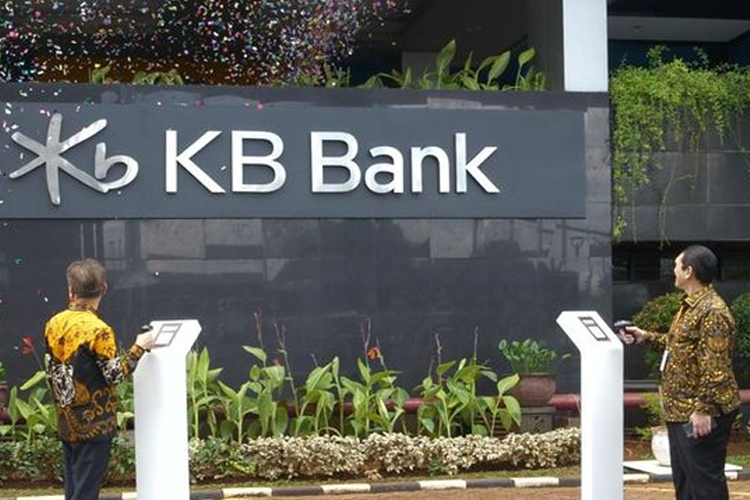
KB Bank (BBKP) Shows Strong Recovery in Q1 2026 with Credit Growth, Higher Margins, and Positive Operating Profit – PT Bank KB Indonesia Tbk (BBKP), also known as KB Bank, demonstrated strong recovery signals in the first quarter of 2026. The bank’s improving fundamentals were reflected across multiple key indicators, including credit growth, stronger funding structure, rising net interest margin, and better asset quality.

Credit Distribution Grows as Loan Quality Improves

On the intermediation side, KB Bank’s total loan disbursement reached Rp43.19 trillion, marking a 2.61% year-on-year (YoY) increase.

This growth was supported by a 4.76% YoY rise in performing loans, which climbed to Rp34.02 trillion. The improvement highlights the strengthening quality of KB Bank’s loan portfolio as it continues to optimize its business transformation.

Net Interest Income Surges 97.28% YoY

KB Bank also posted a significant leap in earnings performance.

Key Earnings Highlights:

  • Net Interest Income (NII): Rp363 billion (+97.28% YoY)
  • Net Interest Margin (NIM): 2.09% (up from 1.09%)

The near doubling of NIM reflects more effective asset-liability management and sustained cost-of-fund efficiency, signaling better operational discipline.

First Positive Pre-Provision Operating Profit Since Joining KB Financial Group

A major milestone for KB Bank in Q1 2026 was its successful return to positive pre-provision operating profit (PPOP).

For the first time since joining KB Financial Group in 2020, KB Bank recorded:

  • PPOP: Rp9 billion (positive)

This achievement marks an important turning point in the company’s broader transformation journey.

CEO Highlights Continued Progress but Acknowledges Remaining Challenges

“Kinerja triwulan I-2026 menunjukkan KB Bank terus berada di jalur yang tepat, dengan perbaikan yang tercermin dari pertumbuhan kredit, penguatan dana murah, peningkatan margin bunga bersih, dan PPOP yang kembali positif. Meski demikian, kami menyadari masih terdapat ruang untuk perbaikan, terutama dalam kualitas kredit, fundamental bisnis secara keseluruhan, serta penguatan struktur permodalan untuk mendukung pertumbuhan jangka panjang,” said KB Bank President Director Kunardy Darma Lie.

Funding Structure Strengthens with CASA Growth

From a funding perspective, KB Bank’s total Third-Party Funds (DPK) reached Rp41.52 trillion.

Funding Performance:

  • Total DPK: Rp41.52 trillion
  • CASA (low-cost funds): Rp13.09 trillion (+5.74% YoY)

The rise in CASA indicates successful execution of the bank’s strategy to strengthen more efficient and sustainable funding sources.

Long-Term Focus: Asset Quality, Earnings Strength, and Risk Discipline

Looking ahead, KB Bank reaffirmed its commitment to:

  • Improving asset quality
  • Enhancing earning asset quality
  • Optimizing risk management discipline
  • Strengthening business synergy with KB Financial Group

“Fokus kami ke depan adalah menjaga momentum ini melalui pertumbuhan berkualitas, pengelolaan risiko yang disiplin, serta penguatan sinergi dengan KB Financial Group,” Kunardy added.

Is BBKP Stock Undervalued Now?

For investors evaluating BBKP, fair value analysis can provide deeper insight into whether the stock is currently trading below its intrinsic worth.

Advanced valuation tools often combine up to 17 proven industry valuation models to assess:

  • Price-to-book ratio
  • Earnings potential
  • Risk profile
  • Growth prospects

Could BBKP Be a Hidden Turnaround Opportunity?

With improving credit quality, stronger margins, and its first positive PPOP in years, BBKP may attract investors seeking turnaround stocks with potential upside—though capital structure and asset quality remain key areas to watch.

Bank Mandiri Cross-Border QR Transactions Jump 137% in Q1 2026 After China Expansion

Bank Mandiri’s Cross-Border QR Transactions Surge 137% in Q1 2026 as China Expansion Strengthens Global Payment Reach – PT Bank Mandiri (Persero) Tbk recorded significant growth in its cross-border payment services during the first quarter of 2026. As of March 2026, transaction value through Bank Mandiri’s Cross-Border QR service soared 137% year-on-year (YoY) to Rp54 billion.

Bank Mandiri Expands Cross-Border QRIS to China

Most recently, Bank Mandiri expanded its international QRIS connectivity by launching Cross-Border QR services in China through Livin’ by Mandiri.

Jan Winston Tambunan, Director of Network and Retail Banking at Bank Mandiri, stated that this expansion is a strategic response to the growing global transaction needs of customers.

“The very significant growth in cross-border transactions reflects a shift in customer behavior toward global digital payments. Expansion into China is an important step to ensure customers can transact easily and seamlessly in one of the world’s largest digital payment ecosystems,” Jan said in an official statement.

Seamless Transactions Across Millions of Merchants in China

Through this feature, Bank Mandiri customers can now make payments at millions of merchants across China without the need to exchange cash or manually convert currencies.

Users simply scan the QR Pay feature in Livin’ by Mandiri at merchants displaying:

  • UnionPay QR
  • Alipay QR

This convenience provides a frictionless payment experience for Indonesian travelers and business users visiting China.

Broader International QR Coverage Across Key Destinations

The China expansion complements Bank Mandiri’s existing Cross-Border QR presence in several strategic countries, including:

  • Malaysia
  • Singapore
  • Thailand
  • Japan
  • South Korea

This broader coverage strengthens Bank Mandiri’s role in building an integrated global payment network through strategic partnerships.

Future Expansion Plans for Strategic Global Destinations

Looking ahead, Bank Mandiri plans to continue expanding its Cross-Border QR services to additional key destinations in line with rising global transaction trends and increasing demand for practical digital payment solutions.

“Bank Mandiri will continue expanding Cross-Border QR coverage to other strategic destinations as cross-border transaction trends grow and customers demand more practical, integrated digital payment solutions,” Jan added.

QRIS Bank Mandiri User Growth Accelerates in Q1 2026

Throughout Q1 2026, Bank Mandiri’s QRIS ecosystem also posted strong domestic growth:

Key QRIS Performance Highlights:

  • Total QRIS users: 9.9 million
  • User growth: +41% YoY
  • Transaction value: Rp64 trillion
  • Transaction growth: +76% YoY

These figures demonstrate the accelerating adoption of digital payments among Bank Mandiri customers.

Livin’ by Mandiri Reaches 39.1 Million Users

Bank Mandiri’s flagship digital platform, Livin’ by Mandiri, also delivered impressive results by the end of March 2026:

Livin’ by Mandiri Performance:

  • Total users: 39.1 million
  • Total transaction value: Rp1,200 trillion

This strong growth highlights Livin’ by Mandiri’s increasing dominance in Indonesia’s digital banking ecosystem.

Should You Invest $2,000 in BMRI Now?

AI-powered investing platforms such as ProPicks AI evaluate BMRI alongside thousands of global companies every month using more than 100 financial metrics.

Rather than focusing solely on popularity, the AI system analyzes:

  • Financial fundamentals
  • Momentum
  • Valuation
  • Risk-reward potential

Using unbiased data analysis, AI identifies stocks that may offer optimal opportunities, similar to previous top-performing picks such as:

  • Super Micro Computer (+185%)
  • AppLovin (+157%)

Is BMRI Currently an AI-Favored Stock?

With strong digital banking growth, expanding global payment infrastructure, and rising QRIS adoption, investors may want to assess whether Bank Mandiri is positioned as an attractive investment opportunity or if better opportunities exist elsewhere.

MAPI Q1 2026 Net Profit Jumps 34.5% to Rp762 Billion on Strong Revenue Growth

MAPI Q1 2026 Net Profit Jumps 34.5% to Rp762 Billion on Strong Revenue Growth – PT Mitra Adiperkasa Tbk (MAPI), Indonesia’s leading lifestyle retailer, started 2026 with an impressive financial performance. The company recorded net revenue of Rp12.3 trillion in the first quarter, marking a sharp 32.0% increase compared to the same period last year.

Strong Revenue Growth Boosts Profitability

The significant revenue jump directly translated into stronger profitability across the board. MAPI’s gross profit rose to Rp4.9 trillion, while operating profit climbed 35.0% to Rp1.1 trillion. Meanwhile, EBITDA reached Rp1.9 trillion.

At the bottom line, the company successfully posted a 34.5% increase in net profit, reaching Rp762 billion in Q1 2026.

Consumer Spending and Ramadan Momentum Support Performance

“We started this year with positive performance, supported by stable customer shopping activity that accelerated further ahead of the Ramadan and Eid season in March,” said Ratih D. Gianda, VP of Investor Relations, Corporate Communications, and Sustainability at MAP Group.

“With solid preparation, we were able to effectively respond to demand, resulting in stronger sales across all segments. Overall, these factors supported our strong Q1 performance,” she added.

Brand Portfolio Expansion Strengthens Market Position

As consumer preferences continue to evolve, MAPI has been actively expanding its brand portfolio by introducing renowned international names such as:

  • Aquazzura
  • Guess
  • Hollister

This strategic expansion is designed to capture broader market demand while reinforcing MAPI’s dominance in Indonesia’s lifestyle retail sector.

Operational Efficiency Through Automation and Digitalization

Alongside revenue growth, MAPI is also focused on improving operational efficiency through:

  • More disciplined cost management
  • Back-end process optimization
  • Increased automation
  • Digitalization across platforms

These initiatives aim to enhance customer service quality while maintaining sustainable profitability.

Challenges Ahead: Geopolitics, Rising Costs, and Rupiah Weakness

Despite its strong Q1 results, management remains cautious about future uncertainties. Geopolitical tensions, increasing operational costs, and Rupiah depreciation are key challenges that may impact business stability.

“Entering 2026, MAP will continue this momentum. However, we are taking a more cautious approach amid a dynamic environment, as geopolitical tensions, rising costs, and Rupiah weakness may create uncertainty ahead,” Ratih stated.

Long-Term Value Creation Remains a Priority

Supported by its diversified business portfolio and team commitment, MAPI remains focused on navigating current economic conditions with discipline.

“We expect these efforts to support sustainable long-term value creation for all stakeholders,” Ratih concluded.

Should You Invest $2,000 in MAPI Now?

AI-powered investment tools such as ProPicks AI evaluate MAPI alongside thousands of global companies each month using more than 100 financial metrics.

Rather than relying on popularity alone, the system analyzes:

  • Fundamentals
  • Momentum
  • Valuation
  • Risk-reward ratio

By using data-driven analysis, AI identifies stocks with the best potential opportunities—similar to past high-performing picks such as:

  • Super Micro Computer (+185%)
  • AppLovin (+157%)

Is MAPI Currently an AI-Highlighted Opportunity?

Investors may want to assess whether MAPI’s strong earnings growth, diversified portfolio, and operational efficiency make it a compelling buy now—or whether better opportunities exist elsewhere in the market.

Gold vs Crypto: Which Investment Is Better for Long-Term Wealth?

Gold vs Crypto: Which Investment Asset Is Better for You? – There are many investment instruments available today, but two assets that are most often compared are gold and cryptocurrency. Both are considered “stores of value,” but they have fundamentally different characteristics.

Gold vs Crypto: Fundamental Differences

1. Physical Asset vs Digital Asset

Gold

Gold is a tangible asset that can be physically held, stored in a safe, or turned into jewelry. Its value has been recognized for thousands of years and it is widely considered a safe haven asset.

Crypto

Cryptocurrency is entirely digital and cannot be physically held. Its value depends on blockchain technology, adoption rates, and market trust.

2. Volatility and Price Fluctuation

Gold

Gold is relatively stable, with prices that often rise during times of crisis. This happens because many investors seek safer assets to preserve wealth.

Crypto

Crypto is highly volatile. Prices can surge dramatically in a short period, but they can also collapse just as quickly. This makes crypto more suitable for investors who are prepared to take on significant risk.

3. Regulation and Legality

Gold

Gold has clear regulations and is officially recognized by governments worldwide. Gold trading generally operates under established legal frameworks.

Crypto

Cryptocurrency regulations are still evolving and vary widely by country. Some nations support crypto, while others restrict it, making it riskier from a legal certainty perspective.

Which Asset Fits Your Investment Goals?

Every investor has different objectives. Some want to preserve wealth safely, while others seek aggressive growth with higher risk.

Understanding the comparison between gold and crypto can help determine which is better suited to your financial goals.

1. Hedge Protection vs Aggressive Growth

Gold

Gold is ideal as a hedge against inflation and economic uncertainty. Its relatively stable value makes it a top choice for protecting wealth over time.

Crypto

Crypto is better suited for investors seeking aggressive growth. While the profit potential can be substantial, the risks are equally high due to extreme market volatility.

2. Long-Term Investing vs Short-Term Trading

Gold

Gold is generally better for long-term investment. Its value tends to rise gradually, making it suitable for patient investors who prioritize stability.

Crypto

Crypto is often favored for short-term trading. Many traders capitalize on daily or weekly price swings to generate profits, but this requires strong market knowledge and risk tolerance.

Gold Risks vs Crypto Risks

No investment is free from risk. Both gold and crypto come with unique challenges that investors should understand before making decisions.

1. Systemic Risk and Liquidity

Gold

Gold carries relatively low systemic risk because it is globally recognized as a safe-haven asset. It also has high liquidity, meaning it can be sold easily in most market conditions. However, gold prices can still be affected by major monetary policy shifts or changes in global demand.

Crypto

Crypto has greater systemic risk because it depends heavily on blockchain systems, exchange infrastructure, and investor confidence. Liquidity also varies—major cryptocurrencies like Bitcoin and Ethereum are relatively liquid, while smaller altcoins may become difficult to sell during market downturns.

2. Market Sentiment Risk

Gold

Gold sentiment is usually driven by macroeconomic conditions such as inflation, recessions, or geopolitical tensions. During uncertain times, gold often gains value.

Crypto

Crypto is extremely sensitive to market sentiment and news. A tweet from a major influencer, regulatory changes, or social media trends can send prices soaring or crashing within hours.

Diversification Strategy: Do You Have to Choose One?

Investors do not necessarily have to choose between gold or crypto. Many choose diversification by combining both assets in their portfolios.

  • Gold provides long-term stability and wealth protection
  • Crypto offers high-growth opportunities with greater risk

This balanced strategy can help investors manage risk while maximizing potential returns according to their individual profiles.

What Stocks Should You Buy for Your Next Trade?

AI-powered investing is rapidly transforming stock markets. Investing.com’s ProPicks AI features dozens of top-performing stock portfolios selected by advanced artificial intelligence.

Its flagship strategy, Tech Titans, reportedly delivered twice the performance of the S&P 500 over 18 months, including standout stocks such as:

  • Super Micro Computer (+185%)
  • AppLovin (+157%)

Which stock could be the next big winner?

As AI continues reshaping industries, investors are increasingly turning to data-driven tools to identify the next breakout opportunities.